
Women, worst enemies by bottling up on abuse
ALEXANDRA – Women open up on effects and remedies of abuse.

Women who bottle up on domestic violence hoping that this will keep their pain a secret are their own worst enemies.
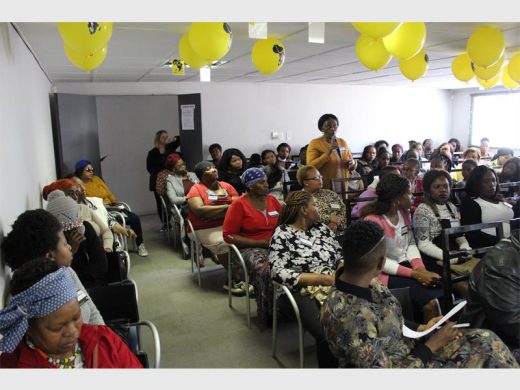
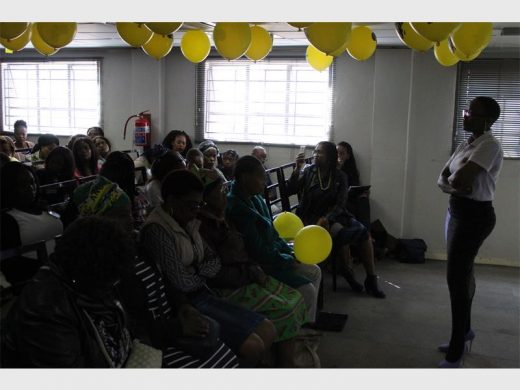
This was the theme at a conversation by women marking August as Women’s Month at SanKopano Community Centre. Facilitated by legal firm ENSAfrica, Npo Agisanang Domestic Abuse Prevention and Training(Adapt) and the South African Federation for Mental Health, the participants were made aware of the lurking mental health challenges deriving from their wanting to keep the violence meted on them through domestic abuse secret in order to protect their marriages and relationships.
“The physical abuse and pain instead promote the ‘battered women’s syndrome’ which sometimes leads to death at the hands of the same intimate partners,” said Refiloe Kgwete of Adapt.
Kgwete said the long-term effect of the abuse accumulated into mental health harm which manifests through depression, trauma, anxiety and many physical ailments requiring detection and treatment by trained professionals. “Instead many women worsen their condition when the option to seek traditional healers’ help assuming they would have been bewitched when the undetectable ailments persist.
“Others take their anger and frustration out on their children further worsening relationships in the home.”
She said the condition of women impacted by this challenge was also aggravated by their circle of friends who often advised them to either remain strong for ‘it to go away’ or spread rumours and jokes about the friend’s suffering instead of advising them to open up to professional help.
She said that untreated depression remained for life and results in one failing to socialise, give out love to oneself and family and lead normal lives. “Opening up to professional advice will give one strength to cope and if need be to exit the abusive relationship when the abusers fail or do not want to change their abusive conduct.” She decried female victims who opted for alcohol as a relief. “It’s a temporary and expensive way out spending time on alcohol in taverns than the free advice and support they will receive from professional counselling services offered at Adapt, others NGOs and government departments.”
These services include advice on how to detect signs of depression and other psycho-social challenges from abuse.
Some of the abuse, she added, derives from poor inter-generational relationships within a family, cultural and religious inhibitions.”The helping professionals are trained to diagnose many of the causes without being judgmental, strengthen the victim to enhance their coping and prescribe other forms of support including membership to women’s empowerment groups.”
The participants expressed that the challenge mostly arose from women’s financial dependency on abusive breadwinners, cultural factors that inhibit opening up to ‘strangers’ on internal family problems, parents not talking with children on feelings, sexual relationships and seeking support together and poor listening skills. They urged for positive father figures to be available and impart positive values to children all the time to prevent them from emulating abusive traits from elsewhere.
Drugs and substance abuse they said, were major causes of this challenge and suggested the creation of professional units within the police service to help men and boys who are the main abusers.
Related article:
