
Women’s struggle relived from 1956
ALEXANDRA – Open up on abuse and pain to prevent depression and suicide.

Alex women reflected on the continuation of their ‘pattern of struggle and abuse’ since the famous 1956 Women’s march on the then government.
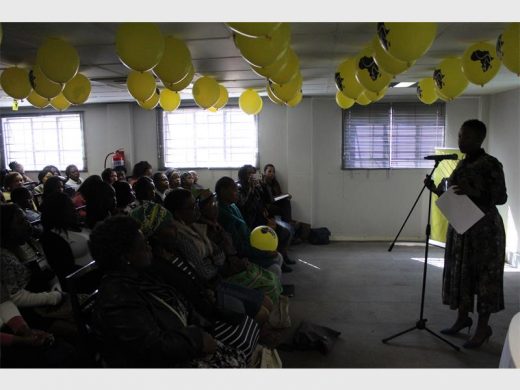
Despite a changed political paradigm the new dispensation and its predecessor was as is now, still led mostly by men who are prone to perpetuating their abuse. This was said when they commemorated Women’s Month at San Kopano Community Centre under the themes ‘Mental Health Awareness’ and ‘Mental Health is the Nation’s Wealth’.
Zoleka Limakwe of the South African Federation for Mental Health said while statutory segregation may have ended, its residual effects continue together with some negative aspects of patriarchal power that impact negatively on women. “The two connive through abuse of women resulting in anxiety and depression which manifest in physical illnesses which worsen and may lead to death if not treated.
“Other victims are driven to alcohol as a futile escape route.”
Limakwe said the organisation trains, researches, advocates and creates awareness on mental health.
Their work helps to protect the rights of those with psycho-social challenges and disabilities resulting from abuse. This in particular reference to 28 million women of the 57 million population, who despite being a majority are the most vulnerable to abuse.
“Many are demobilised and can’t get out of bed from the psychological effect of the violence and abuse, cry all day and night from depressive moods whose signs are not recognisable to many. “Others end up committing suicide to end their suffering.”
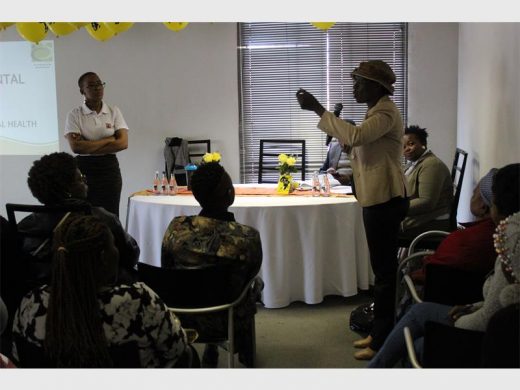
She said mental health is a basic human need but despite their majority, it is denied to women who also are the most multi-tasked within the home. “Their abuse disregards their important nurturing, mother and sometimes father figure roles which keep the family intact.”
The abuse instead boxed them in vulnerability and in daily fear, limiting their ability to function and the family from coping. She defined the various forms of abuse as stressors, which if not attended, compounded and result in strokes caused by worry when their caring roles can’t be done.
Limakwe also linked this to women’s failing to realise their limitation in performing all the tasks allocated to them by culture. “We tend to mask our pain, take in everything and don’t talk about it until we are sick.”
Also, she identified economics as a factor forcing women to expose themselves to men for financial gain to support their families. “It renders them vulnerable for life to mental and physical ailments if not treated and when other women worsen the situation by spreading gossip and not assisting the victim.
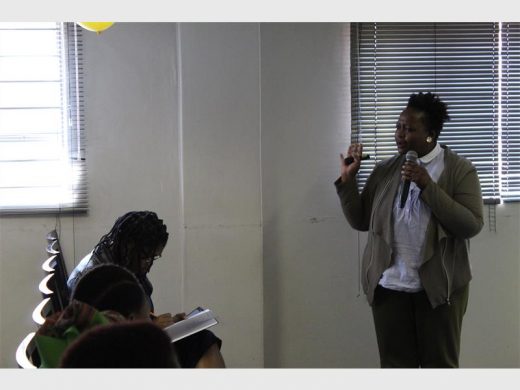
“We should be more accountable to each other,” Limakwe said referring to others who opt to travel long distances to seek help to avoid being the subject of the local gossip.
Nozizwe Ncayiyana of law firm ENSAfrica urged for regular platforms that train and encourage women to care for their mental health. “Knowledge and awareness of mental health will prevent trauma, depressive moods, post-natal risk and suicide by women resulting from abuse also in the workplace and community.”
Related article:
