Alternative energy option for the poor
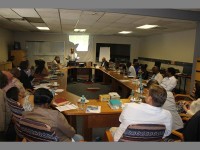
ALEXANDRA - Alternative energy activists, conducted a workshop recently which coincided with power outages gripping Joburg.

Alternative energy activists recently conducted a workshop which coincided with power outages gripping Joburg.
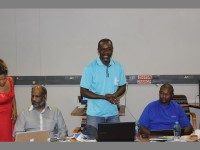
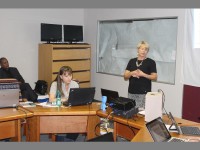
They were at the Sandton Fire Station launching a guide book and devising strategies to get renewable energy recognised as complimentary.
Eskom attributes the power outage to faults in the generation process, but has not provided timelines on when it will end except for schedules on the cuts.
The guide outlines advantages of renewable energy, the changing energy climate and policies, and regulatory frameworks.
Despite challenges, the workshop sought to bring Gauteng up to speed with the other areas like the Cape and KwaZulu-Natal regions where some projects are integrating this energy source. Also, it provided local actors with an opportunity to update the guide in line with rapid developments in the sector.
The need for this source draws from the country’s background as the world’s 13th largest emitter of greenhouse gases and government’s objective to reduce these emissions by 42 percent by 2025. Government has an integrated resource plan which recognises the abundance of wind and solar as resources for this energy.
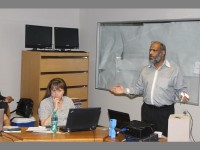
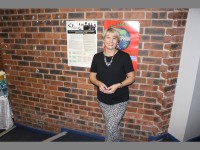
Lisa Thompson-Smeddle, co-author of the guide, said the document would assist local authorities to source established energy systems and source relevant technologies. She and others discussed the legal environment, technical and technological options available and provided practical advice for local authorities in implementing and financing this energy source. She further disclosed the source’s higher uptake in rural areas where it was relatively affordable and urged for the same in poorer settlements like Alexandra. This would require bureaucratic impediments like procurement, financing and poor co-ordination of departments to be reduced in order to enable the provision of electricity to the poor, as part of the government’s policy regarding the delivery of free basic services.
Kam Chetty, a consultant, highlighted the enabling factors for this energy source like stable policy and the capacity of public, private and multi-lateral partnerships to innovate on appropriate alternative energy technologies. These she said, will have to contend with a risk averse bureaucracy, delays by supply chain processes and prohibitive regulations for licensing new innovations.
Joe Baleka of Alex-based non-profit organisation, Tswaranang Environment Pro-Reactive Safety Mentors, said the workshop helped profile residents’ need for alternative energy as equal to other service delivery needs. “Its comparative advantages are the low cost, the minimising of shack fires, powers almost everything and is provided for in policy,” he concluded.
Details: Lisa Thompson-Smeddle; 021 887 2794, lisa@sdnafrica.com